

21-902 | Marylan’s DUI/DWI Statute
Think you can handle “just one more” drink before driving home? Think again! In Maryland, getting behind the wheel after consuming alcohol can lead to serious consequences under Transportation Article 21-902.
Maryland’s 21-902: Don’t Let One Drink Turn into a DUI Disaster!
Maryland Transportation Article § 21-902 is the core statute behind most DUI/DWI charges in Maryland. The wording matters—because the difference between DUI, DUI per se, and DWI often decides the direction of your case, your driver’s license exposure, and the leverage you have in negotiation.
Quick note: This page is educational and not legal advice. For advice on your facts, talk to a lawyer directly.
What Maryland 21-902 Covers
The Maryland 21-902 DUI DWI Statute is not “one charge.” It’s a set of different theories prosecutors use—some based on how you drove, some on observations, and some on chemical testing.
- § 21-902(a)(1)(i): Driving under the influence of alcohol (traditional DUI).
- § 21-902(a)(1)(ii): Driving under the influence per se (typically tied to a breath/blood number).
- § 21-902(b)(1)(i): Driving while impaired by alcohol (often charged as DWI).
- § 21-902(c): Drug impairment, drug combinations, or drugs + alcohol (can’t drive safely theory).
- § 21-902(d): Impairment by a controlled dangerous substance (CDS) when not legally entitled to use it.
- Transporting a minor: enhancements can apply under (a)(3) and (b)(2).
Helpful official reference: Read § 21-902 on the Maryland General Assembly site
DUI vs DWI (Main Difference)
People say “DUI” as a catch-all. But under the Maryland 21-902 DUI DWI Statute, the labels matter.
“DUI” (21-902(a))
- More serious alcohol-based charge.
- Can be based on observations or “per se” testing theory.
- Higher perceived risk in court and with licensing.
“DWI” (21-902(b))
- Lesser alcohol-based charge than DUI.
- Often litigated around “impairment” vs “normal driving.”
- Still serious—still record, still insurance risk, still MVA exposure.
What 21-902 Cases Usually Rely On
- Reason for the stop (lane movement, speed, equipment, tag/registration issues, etc.)
- Officer observations (speech, balance, eyes, odor)
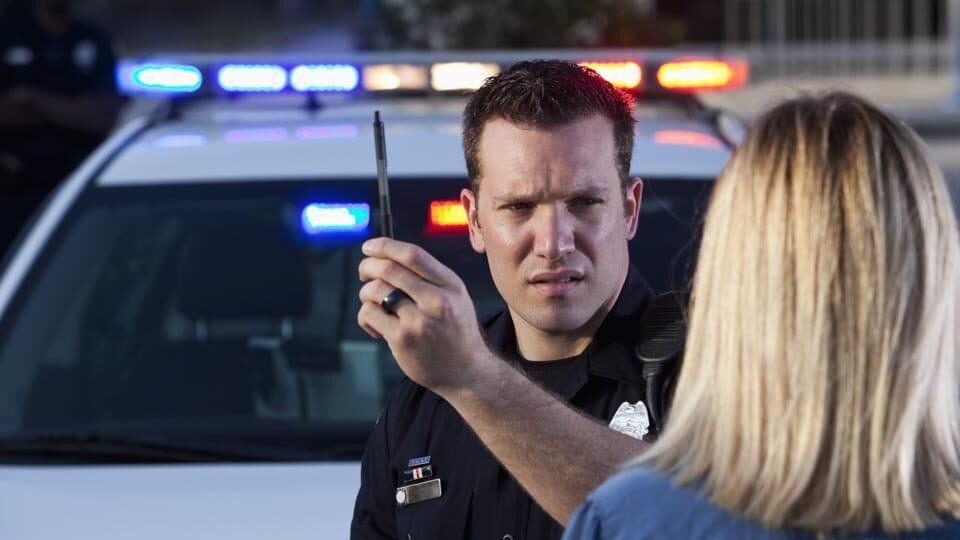
- Field sobriety tests (how they were administered, not just the “results”)
- Statements you made (before you knew what was going on)
- Breath/blood testing issues (timing, procedure, calibration, documentation)
If you’re facing a Maryland 21-902 DUI DWI Statute charge, you want your defense built around: (1) legality, (2) reliability, (3) narrative.
Breakdown of Maryland 21-902 (Plain English)
Here’s how prosecutors generally “slot” facts into the Maryland 21-902 DUI DWI Statute subsections. Your case can involve multiple theories at once.
21-902(a)(1)(i): Under the Influence
The State claims alcohol affected you enough to qualify as “under the influence.” These cases are often built from observations and roadside testing narratives.
21-902(a)(1)(ii): Under the Influence “Per Se”
The State leans heavily on a chemical test number. These cases are won by attacking reliability, timing, procedure, and documentation—not just arguing “I felt fine.”
21-902(b)(1)(i): Impaired by Alcohol
“Impaired” is a lower threshold than “under the influence,” but it still requires proof. Weak driving facts, weak tests, and sloppy narratives matter here.
21-902(c): Drugs / Drugs + Alcohol
This is the “can’t drive safely” theory: drugs, combinations of drugs, or drugs mixed with alcohol. These cases often require careful analysis of symptoms, medical explanations, and investigation gaps.
21-902(d): Controlled Dangerous Substance (CDS)
A CDS impairment allegation can be especially serious when the State claims you were not legally entitled to use the substance. The evidence issues in these cases are often very technical.
Transporting a Minor (Enhancements)
21-902 also includes special provisions for alleged DUI/DWI while transporting a minor. These situations require immediate, careful strategy to contain the blast radius.
What To Do Now If You’re Charged Under 21-902
If you’re staring at a Maryland 21-902 DUI DWI Statute charge, the “damage control window” starts immediately. Don’t accidentally build the State’s case for them.
- Do not discuss facts on recorded lines or with random third parties.
- Write down your timeline while it’s fresh (stop reason, tests, statements, times).
- Save paperwork: citations, temporary license, tow/impound receipts, bond sheet.
- Identify witnesses (passengers, phone calls, nearby businesses/cameras).
- Talk to a lawyer quickly about deadlines and the license track (MVA).
External references: Maryland MVA | Maryland Courts
2-Minute Video: Maryland 21-902 DUI/DWI Statute (Coming Soon)
You can embed your YouTube explainer here once it’s live. Replace the VIDEO_ID below.
Related Maryland DUI/DWI Resources
- DUIDefenseMD.com Home
- Contact — Request a FREE consultation
- Maryland DUI Defense (overview)
- Maryland DWI Defense (overview)
- Breath Test Refusal in Maryland
- Ignition Interlock & Driving Privileges
Told you “failed” field sobriety tests? Get a second opinion.
If you’re facing DUI/DWI charges in Maryland, don’t hesitate to contact an experienced DUI/DWI defense attorney. Christopher G Moschkin, Esq. has handled DUI citations in Maryland state and Federal Courts. Many attorneys handle these cases, but Mr. Moschkin stays informed on new laws and new evolutionary developments and represents clients with government clearances, medical doctors, Federal/military property DUI cases prosecuted by the US DOJ, and has represented other attorneys. IF OTHER LAWYERS HIRE ME, shouldn’t you?